• Skip to primary navigation
  • Skip to main content
  • News
  • Publications
    • Social Encyclicals
    • Authors
    • Topics
Ordo socialis Logo

Ordo Socialis

christlich, sozial, weltweit

  • About us
    • About us
    • Members of the Board
    • Scientific Council
  • Become a member
  • Links
  • Contact
  • Language: English
    • Deutsch Deutsch
    • English English
    • Français Français
    • Español Español

Aktuelles

The War over Ukraine and the Future of Christian Peace Ethics

Russia’s unprovoked invasion of Ukraine caught Germany and the other Western European states completely flat-footed. Hardly anyone wanted to listen to the increasingly urgent warnings of the Eastern European partners and also of the USA, especially not in Germany. Christian social ethics was also caught cold by the war of aggression. The Munich social ethicist Prof. Dr. Markus Vogt, Chairman of the Scientific Advisory Board of Ordo socialis, takes this as an impulse for a survey and self-critique with regard to the peace-ethical concepts of the last years and decades. He writes: Some ethical theories were characterized by the idea that war in Europe was merely a phenomenon of the dark past. A view that, from today’s perspective, must be considered naive and outdated. The experience of the last few weeks has revealed a gap in the ethical debate, which forces us to quickly make up for these theoretical deficits and to give peace and security ethics a much greater weight within theology as well. The peace-ethical consequences of being a Christian in a fragile world need to be explored anew.”

Download here

(Deutsch) Der Ukraine-Krieg und die Zukunft christlicher Friedensethik

Sorry, this entry is only available in Deutsch.

Qualitative Freedom

Foto: private

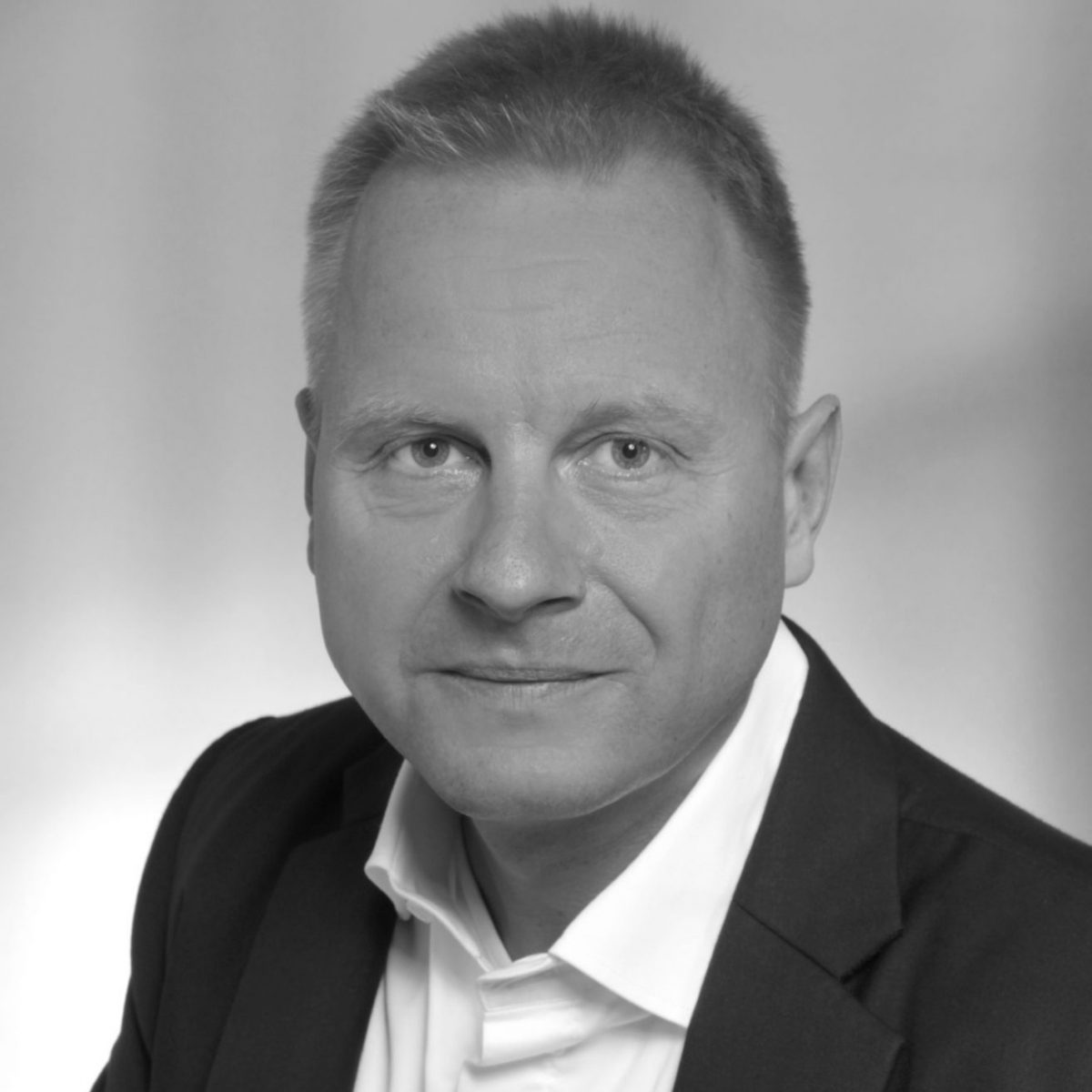
In the Corona pandemic, there has also been much talk about freedom and its justified or unjustified restriction to protect vulnerable groups of people and the common good. Prof. Dierksmeier, member of the advisory board of Ordo socialis, advocates a value-based liberalism. In his concept of “qualitative freedom”, he strives for a theoretical re-foundation beyond the traditional dichotomy of negative and positive freedom. He is convinced that – on the common ground of a qualitative concept of freedom – both camps of liberal philosophers can be reunited in defending the model of the open society against its enemies.

Please find Claus Dierksmeiers book “Qualitative Freedom – Autonomy in Cosmopolitan Responsibility” here.

(Deutsch) Wertgebundene Freiheit

Sorry, this entry is only available in Deutsch.

Social Market Economy for the 21st century: An International Peace Project

by Christopher Gohl, Nils Goldschmidt, Ulrich Hemel and Jeffrey Sachs

Our inner peace is increasingly strained. How we deal with climate change, digital transformation and migration, and whether we generate and distribute prosperity sustainably, will be decisive for a prosperous, peaceful coexistence. We propose that the economic order of Germany, the Social Market Economy, might be best suited for securing social peace and sustainable development in the 21st century – not only in Germany across all party lines, but everywhere in the world. As a form of responsibly regulated capitalism, it has a proven track record of ensuring that people live well.

Download
KAS-ACDP/Peter Bouserath, CC-BY-SA 3.0 DE

Climate action, Afrikan traditional wisdoms and Laudato Si

The climate crisis is a challenge of global scale. Every region is affected and every country must contribute to solving this existential challenge. Obiora Ike, Professor of Ethics and Intercultural Studies at the Godfrey Okoye University in Enugu (Nigeria) and currently Executive Director of the Global Ethics Centre in Geneva, recently spoke at the the World Council of Churches on this issue from an African perspective. He points out:“Listening to African voices by reflecting on its past traditions, wealth of values, priceless qualities and cultural-rational reasoning in respect of preservation of the environment would bring some contribution to this ongoing global dialogue and search for ecological sustainability promoted by the SDG Agenda 2030 of the United Nations.

DownloaD
  • « Go to Previous Page
  • Page 1
  • Interim pages omitted …
  • Page 6
  • Page 7
  • Page 8
  • Page 9
  • Page 10
  • Interim pages omitted …
  • Page 55
  • Go to Next Page »

Copyright © 2025 ORDO SOCIALIS - Wissenschaftliche Vereinigung zur Förderung der Christlichen Gesellschaftslehre e.V.
Impressum · Datenschutzerklärung